

How AI is Changing Link Building in 2026
For two decades, link building was a numbers game. You scraped contact lists, blasted templated pitches, and hoped a fraction landed. The winners were whoever had the most patience, the lowest standards, or the biggest outreach team. In 2026, that game is over.
AI didn't just speed up the old playbook — it inverted it. The bottleneck is no longer how many sites you can email. It's how many sites are genuinely *worth* a link from, and whether your content is good enough to justify one.
From keyword matching to semantic matching
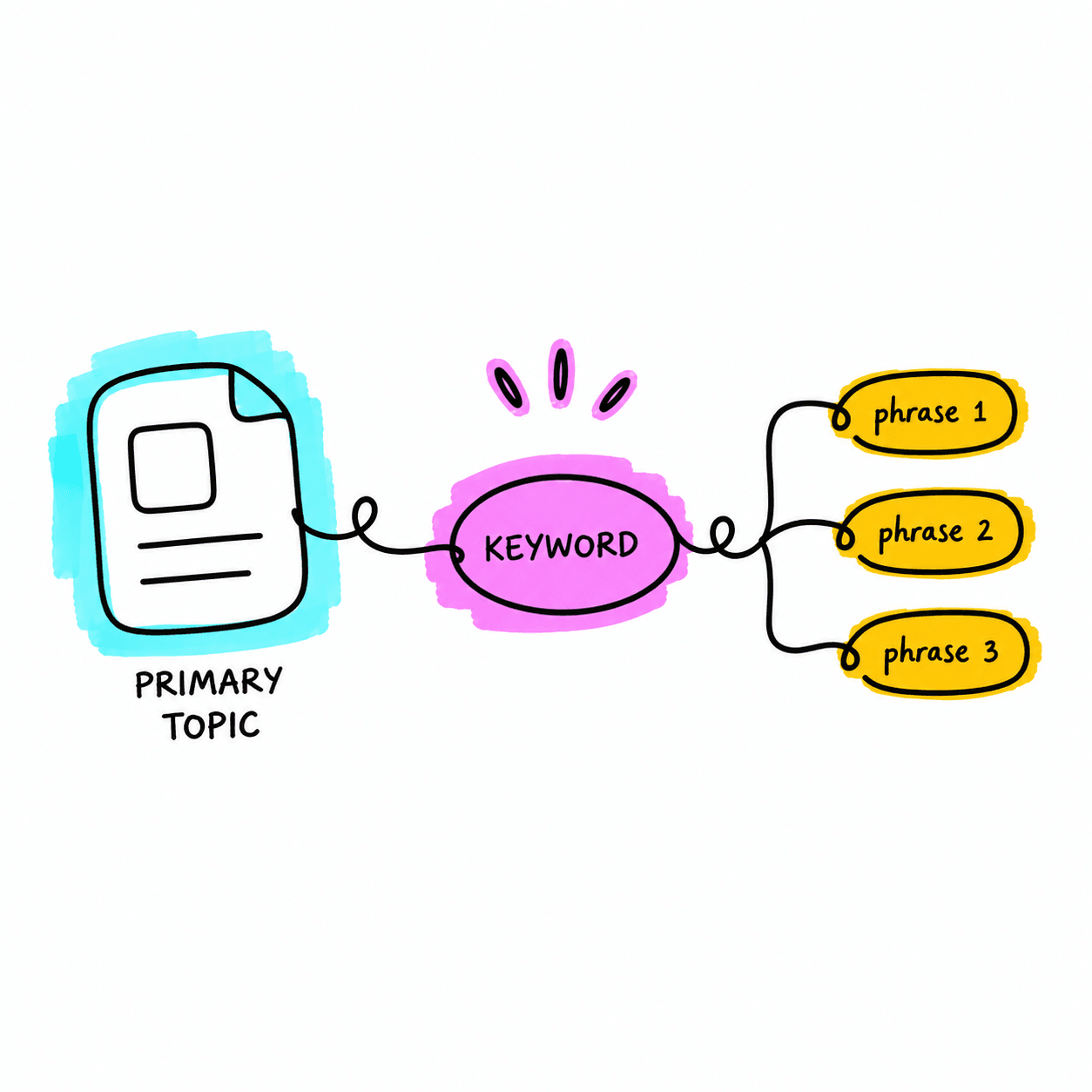
The biggest shift is under the hood. Old link-building tools matched on keywords: if your page mentioned "espresso," they suggested coffee blogs. That worked until everyone gamed it. By 2024, every "coffee blog" in every database was a thin affiliate site fighting for the same ten anchor texts.
Embedding-based matching changed that. Modern systems convert your content into a high-dimensional vector — a fingerprint of what the page is actually *about* — and compare it against the vectors of candidate publisher pages. The result isn't "blogs that mention espresso." It's "writers who genuinely cover the texture of small-batch coffee culture and would care about your post."
That distinction is the whole game. A link from a topically aligned publisher is worth ten links from a generic high-DR site. Google's algorithms have known this since the Hummingbird update; the tooling finally caught up.
Agentic outreach replaces the cold email queue
The second shift is workflow. The old outreach stack was Hunter.io plus a mail merge plus a spreadsheet. The new stack is an agent loop: a model reads the target site, identifies the right contributor, drafts a pitch in the voice of that publisher, and waits for a human to approve before sending.
The point isn't that AI sends more email. It's that AI sends *fewer, better* emails. A 2026 outreach agent can read a publisher's last six posts, find the one your content would actually strengthen, and write a pitch that references it specifically. Reply rates on that kind of pitch are 4–6x higher than templated outreach, and the placements you get tend to stick because they were earned on merit.
Editorial rewrites — the quiet revolution
The third change is the most underrated: AI is now good enough to suggest a one-sentence rewrite of a publisher's existing paragraph that incorporates your link naturally. This is huge. It removes the biggest objection publishers have to inbound link requests — "I'd have to write something new" — and replaces it with a clean, copy-pasteable diff.
The good versions of this are *editorial*, not spammy. The AI proposes; a human at the publisher edits and approves. The link reads like it was always there, because in a sense it always could have been. This is the workflow that lets relevance-based networks like HappyLinks process placements at scale without sacrificing quality.
What this means for SEOs
A few practical takeaways for anyone doing link building in 2026:
- Pitch quality compounds. A single great pitch to a relevant publisher is worth a hundred templated ones. Use AI to research, not to spray.
- Topical authority matters more than DR. A DR-40 site that covers your niche deeply beats a DR-70 generalist almost every time.
- Disclosure is a feature, not a tax. Publishers want clean placements that won't blow up under scrutiny. Networks that enforce non-reciprocal rules and disclosure-by-default are more attractive partners, not less.
- Volume metrics are lagging indicators. Track approval rate, editorial fit, and downstream organic traffic, not "links acquired this month."
The new floor — and the new ceiling
AI raised the floor: the worst tooling now produces results that would have been considered above-average in 2022. But it also raised the ceiling. The best link builders are no longer the ones with the biggest contact databases. They're the ones who can use AI to find genuinely useful editorial fits — and who can write content worth linking to in the first place.
Link building in 2026 looks less like sales and more like PR. The companies winning at it stopped optimizing for volume years ago. They're optimizing for relationships, relevance, and durability. The AI is just the lever.
If you're still measuring your link-building program in raw counts, you're playing the 2018 game. The 2026 game is about earning a smaller number of better links, with a smaller team, in less time. That's the change. Everything else is implementation detail.